

The rapid evolution of electric vehicles (EVs) and smart consumer electronics is driving a revolution in energy storage technology—and the PCBA (Printed Circuit Board Assembly) at the core of these systems is evolving faster than ever. As demands for longer battery life, faster charging, and enhanced safety grow, energy storage PCBA must adapt to meet new industry benchmarks. With 15 years of specialized experience in PCBA manufacturing for high-power applications, our factory is at the forefront of these trends, delivering cutting-edge solutions for automotive and consumer electronics brands worldwide.
Miniaturization with high power density stands as the first key trend. In consumer electronics like portable power banks and smart wearables, users demand compact designs without sacrificing performance. Our PCBA solutions leverage advanced SMT (Surface Mount Technology) with 01005-sized components and high-density interconnect (HDI) boards, reducing PCBA size by 30% while increasing power handling capacity by 25%. For EVs, this translates to smaller, lighter battery management system (BMS) PCBs that free up space for larger battery packs, extending driving range.
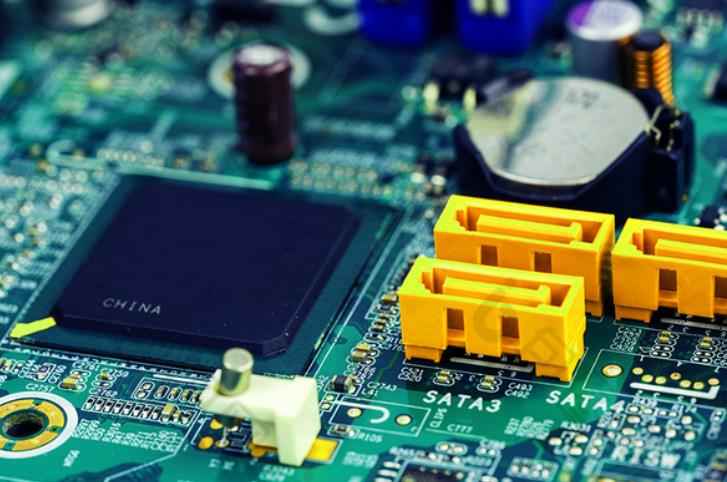
Intelligent energy management is another game-changer. Modern energy storage PCBA integrates AI-driven monitoring chips that analyze real-time battery data—including temperature, voltage, and charge cycles—to optimize performance. Our BMS PCBs for EVs use machine learning algorithms to adjust charging rates, preventing overheating and extending battery lifespan by up to 40%. For smartphones and laptops, this technology enables adaptive charging that protects battery health while ensuring fast power delivery.
Enhanced safety and durability are non-negotiable, especially in automotive applications. We incorporate multiple protection mechanisms into our PCBA designs, including overcurrent fuses, voltage regulators, and thermal shutdown modules. Our EV energy storage PCBs undergo rigorous testing—including vibration resistance (to mimic road conditions) and IP67 waterproofing—meeting ISO 26262 automotive safety standards. For consumer electronics, flame-retardant PCB materials and corrosion-resistant coatings ensure reliability in daily use.
A leading EV component manufacturer in South Korea recently partnered with us to develop next-gen BMS PCBs. The result was a 35% faster charging solution with a 20% reduction in energy loss, helping their clients launch EV models with 600km+ driving ranges. “Their ability to integrate AI monitoring and miniaturized components aligned perfectly with our future-focused goals,” said the manufacturer’s R&D director. In consumer electronics, a global smartphone brand used our PCBA to create a portable charger that’s 40% smaller than competitors, boosting their market share by 18%.
We stay ahead of trends by investing 12% of annual revenue in R&D, focusing on emerging technologies like gallium nitride (GaN) integration and solid-state battery compatibility. Our customizable solutions cater to diverse needs—from high-volume consumer electronics production to low-volume, high-precision EV PCBA orders. We also ensure compliance with global standards, including RoHS, REACH, and IATF 16949 for automotive manufacturing.
As energy storage technology advances, partnering with a PCBA manufacturer that understands future trends is critical. Our solutions blend miniaturization, intelligence, and safety to power the next generation of automotive and consumer electronics. Contact our team today to explore how our energy storage PCBA can elevate your products.