

In electronic equipment manufacturing, PCBs (printed circuit boards), the "mother of electronic products," are constantly on the industry's radar. Entering 2025, many electronics engineers and business owners have clearly felt the surge in PCB costs. The price trends of raw materials like copper clad laminates and specialty chemicals have played a key role in this surge. Dongguan Jinglin Communication Technology Co., Ltd., specializing in turnkey PCBA assembly, PCBA assembly, PCB assembly, and SMT manufacturing, has conducted an in-depth analysis of raw material price trends in 2025 to provide guidance for all industry players in addressing cost challenges.
Copper clad laminates: Price fluctuations driven by supply and demand
Copper clad laminates are a core raw material for PCBs, accounting for approximately 30% of the total raw material cost. In 2024, copper clad laminate prices experienced complex fluctuations. From the supply side, limited global copper ore supply growth is driving copper prices higher. Copper foil, a major component of copper-clad laminates (CCLs), accounts for approximately 42% of the cost, and its price is significantly affected by copper prices. For example, in the first half of 2024, LME copper prices rose by over 20% compared to the beginning of the year, reaching a nearly two-year high during intraday trading. Furthermore, the electronic fiberglass cloth industry is also experiencing a supply contraction. Since April, fiberglass manufacturers such as China Jushi and Huayuan New Materials have issued price increase notices for electronic yarn and cloth.
The demand side also influences CCL price trends. With the rapid development of AI, automotive electronics, and communications, demand for PCBs has surged, driving demand for CCLs higher. QY Research forecasts that PCB output value is expected to grow by 5.4% from 2023 to 2027, pushing the global CCL market size from US$21.014 billion in 2023 to US$28.145 billion in 2030. Amidst the supply-demand dynamics, leading domestic CCL manufacturers such as Kingboard Laminates and Kinpo Electronics have issued price increase notices since March, raising product prices to alleviate cost pressures.
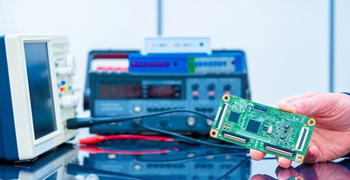
Specialty Chemicals: Key Raw Material Prices Fluctuate Significantly
Specialty chemicals are essential in PCB production. Price fluctuations for chemicals used in processes like etching and electroplating also impact PCB costs. For example, trimellitic anhydride (TMA), a specialty chemical used in the manufacture of high-grade insulating varnishes and other products, saw a significant price surge in 2025. In April, INEOS, the world's second-largest TMA producer, announced a permanent production halt. TMA prices surged from less than 20,000 yuan per ton to 60,000 yuan per ton, and remain above 40,000 yuan per ton to date. These drastic price fluctuations for specialty chemicals undoubtedly impose additional cost burdens on PCB manufacturers.
Coping Strategies: Professional Advice from Jinglin Communications
Faced with the cost pressures on PCBs caused by soaring raw material prices, companies can adopt a variety of strategies. In the procurement process, companies can partner with suppliers like Jinglin Communication, which offer turnkey PCBA assembly services. Leveraging their one-stop service advantages, they can consolidate raw material procurement channels and leverage economies of scale to reduce procurement costs. Furthermore, they can optimize PCB design, prioritizing standardized processes and commonly used materials while ensuring performance, thereby reducing reliance on expensive specialty materials.
In the long term, increasing R&D investment, improving the technological content of PCBs and related products, and transitioning to high-value-added products such as high-layer boards and HDI boards are also good strategies. Jinglin Communication, with its advanced technology and extensive experience in PCBA assembly and SMT manufacturing, can help customers precisely control costs and quality during product upgrades. For example, by optimizing the SMT placement process, production efficiency can be improved, partially offsetting the cost increases caused by rising raw material prices.
"Closely monitoring raw material price trends and flexibly adjusting production and procurement strategies are key for companies to cope with soaring PCB costs." A representative from Dongguan Jinglin Communication Technology Co., Ltd. stated that the company will continue to leverage its expertise in areas such as PCB assembly to provide customers with cost-controlled and quality-reliable PCBA solutions, working with the industry to overcome cost challenges and seize opportunities in a complex market environment.